
Skin Tags & Benign Lesions
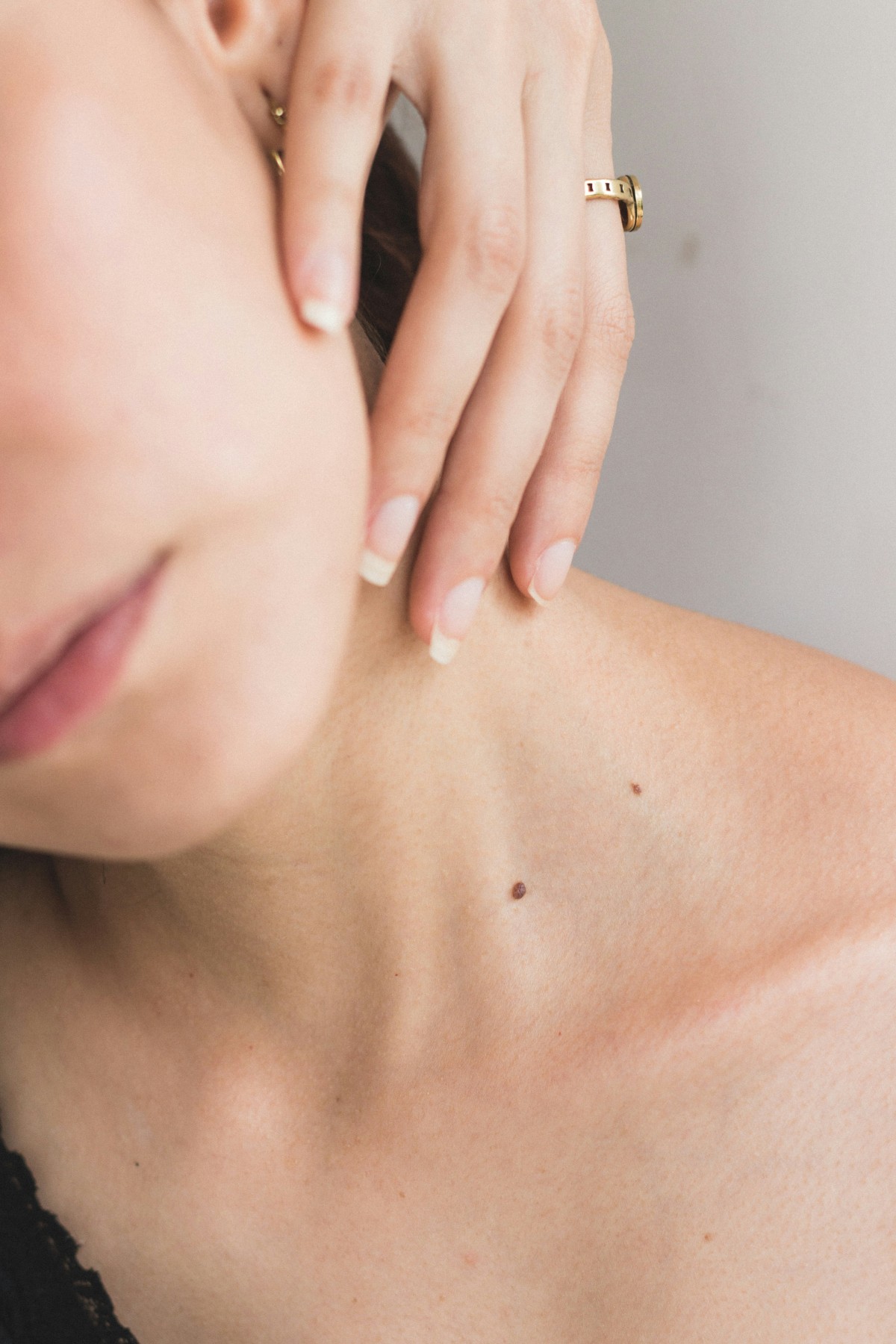
Skin tags are small, non-cancerous growths that typically develop in areas where skin rubs against skin or clothing, commonly on the neck, armpits, eyelids, and groin. These growths are generally flesh-colored or slightly darker and can vary in size from a few millimeters to several centimeters. While skin tags are usually painless, they can become irritated if they catch on jewelry or clothing. Other benign lesions include seborrheic keratosis or moles, which can appear as raised, scaly patches of skin. For many individuals, the presence of these growths can lead to feelings of self-consciousness about their appearance, prompting some to seek removal for cosmetic reasons. Although they do not pose health risks, the visible nature of skin tags and lesions can influence self-esteem and body image.
Main causes
- Genetic Factors: A family history of skin tags and benign lesions can increase likelihood.
- Friction: Areas where skin rubs against skin or clothing, such as the neck, armpits, and groin, are common sites for skin tags.
- Hormonal Changes: Hormonal fluctuations, particularly during pregnancy, can lead to the development of skin tags.
- Age: Skin tags and benign lesions are more common in older adults due to the natural aging process.
- Obesity: Excess weight may increase the likelihood of developing skin tags in areas prone to friction.
Treatments for Skin Tags & Benign Lesions
- Cryotherapy (CryoPen) for Unwanted Skin Lesions: CryoPen uses targeted, controlled cryotherapy to freeze and destroy unwanted skin lesions, such as warts, sunspots, and age spots. The device delivers a precise, cold blast of nitrogen-based cryogen directly to the lesion, causing the tissue to freeze rapidly. This leads to the formation of ice crystals within the cells, disrupting their structure and causing cell death. As the frozen tissue is gradually sloughed off, new, healthy skin forms in its place, effectively removing the lesion without damaging surrounding tissue.